Understanding Menopause Fatigue: Practical Steps and Specialist Support
Fatigue is one of the most common and, for many women, one of the most debilitating symptoms experienced during perimenopause and menopause. Although hot flushes and night sweats are often considered the hallmark symptoms, ongoing tiredness and low energy can have a profound effect on everyday life, impacting work, family life, exercise and emotional wellbeing.
Research shows that up to 95% of women experience fatigue or reduced energy levels during the menopause transition, making it one of the most frequently reported menopausal symptoms.
Although fatigue is common during perimenopause and menopause, it should not simply be accepted as an inevitable part of ageing. Persistent tiredness can have several contributing factors, and identifying the underlying cause is an important first step towards finding the most appropriate treatment and support.
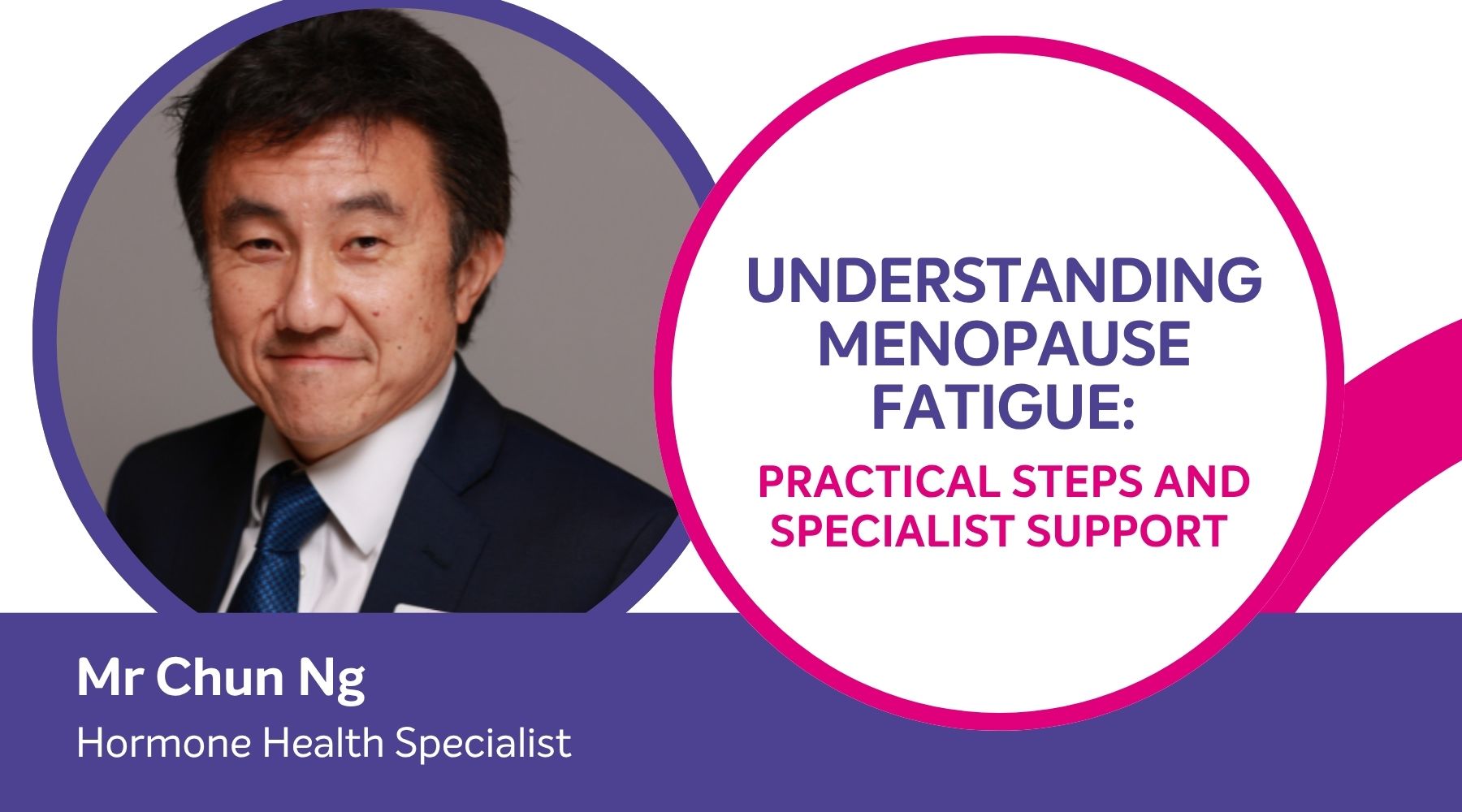
Hormone Health Specialist, Mr Chun Ng, explains why menopause fatigue occurs, practical steps that may help improve energy levels, and when it is appropriate to seek specialist advice.
Why Does Menopause Cause Fatigue?
Hormonal changes during perimenopause and menopause affect far more than reproductive health. As oestrogen and progesterone levels fluctuate and eventually decline, many women experience changes that can contribute to ongoing fatigue, including:
- Poor sleep quality due to night sweats or insomnia
- Low mood, anxiety and increased stress
- Brain fog and difficulty concentrating
- Reduced muscle strength and physical stamina
- Changes in metabolism and overall energy production
For many women, these symptoms occur together, creating a cycle where poor sleep leads to daytime fatigue, making exercise and daily activities feel more difficult, which in turn can affect mood and energy levels further.
Menopause Fatigue Isn’t Always Caused by Hormones
While hormonal changes are a common cause of fatigue, they are not the only explanation.
Persistent tiredness may also be associated with:
- Iron deficiency or anaemia
- Thyroid disorders
- Vitamin B12 or vitamin D deficiency
- Poor sleep or sleep apnoea
- Stress, anxiety or depression
- Other underlying medical conditions
This is why a comprehensive assessment is important before deciding on the most appropriate treatment.
Practical Ways to Improve Menopause Fatigue
There is rarely one single solution, but several lifestyle measures can help improve energy levels.
Prioritise Sleep
Good sleep hygiene can help reduce fatigue. Keeping regular sleep patterns, limiting caffeine later in the day, reducing screen time before bed and managing night sweats can all improve sleep quality.
Stay Physically Active
Although exercising when you feel exhausted may seem counterintuitive, regular physical activity has consistently been shown to improve energy levels, sleep quality and mood. Even gentle walking, swimming or strength training can make a significant difference.
Eat a Balanced Diet
A diet rich in protein, wholegrains, fruit, vegetables and healthy fats helps maintain steady energy levels. Staying well hydrated and avoiding excessive sugar can also reduce energy crashes.
Manage Stress
Mindfulness, yoga, breathing exercises and making time for relaxation can all help reduce stress and improve overall wellbeing.
Can HRT Help Menopause Fatigue?
For women whose fatigue is related to hormonal changes, hormone replacement therapy (HRT) may help.
By replacing declining hormone levels, HRT may improve many of the symptoms that contribute to fatigue, including:
- Hot flushes and night sweats
- Sleep disturbance
- Low mood
- Brain fog
- Reduced energy associated with menopause
Not every woman with fatigue will require HRT, and it is not appropriate for everyone. Treatment decisions should always be based on an individual assessment of symptoms, medical history and personal goals.
When Should You Seek Specialist Advice?
If your fatigue is affecting your quality of life, it is important not to ignore it. A specialist menopause assessment can help identify whether your symptoms are hormone-related or whether other medical conditions may be contributing.
You should consider seeking advice if you:
- Feel exhausted most days
- Are struggling with work or daily activities
- Have ongoing sleep disturbance
- Experience brain fog alongside fatigue
- Notice your symptoms are affecting your mood or relationships
- Would like to discuss whether HRT may be appropriate
How Hormone Health Can Help
At Hormone Health, we take a comprehensive and personalised approach to menopause care. Our specialists assess the whole picture rather than focusing on symptoms in isolation. Depending on your individual circumstances, this may include:
- Comprehensive menopause consultations
- Hormone and health blood tests
- Assessment for vitamin and nutritional deficiencies
- Thyroid function testing where appropriate
- Personalised menopause treatment plans
- Advice on lifestyle, nutrition and exercise
- Ongoing support and monitoring
Supporting Your Energy Throughout Menopause
Fatigue may be common during menopause, but it should not be accepted as something you simply have to live with.
With the right assessment, many women find significant improvements through a combination of lifestyle changes, appropriate investigations and, where suitable, hormone therapy.
If you are experiencing persistent fatigue or low energy and would like personalised advice, Hormone Health Specialist, Mr Chun Ng, can help identify the cause of your symptoms and develop a treatment plan tailored to your individual needs.
To find out more or arrange a consultation with Mr Ng or one of our menopause specialists, contact Hormone Health today.