Irritable Bowel Syndrome (IBS), Hormones and Midlife: Understanding the Connection
April marks an important opportunity to shine a spotlight on irritable bowel syndrome (IBS).
IBS is a condition that affects millions of people, yet is still widely misunderstood, underdiagnosed, and often dismissed.
At Hormone Health, IBS Awareness Month is not only about raising awareness, but also about amplifying support for women who are affected by digestive health challenges.
IBS in Women: More Than a Digestive Issue
While IBS is commonly recognised for symptoms such as abdominal pain, bloating, and changes in bowel habits, its impact extends far beyond the gut, particularly for women.
Women are significantly more likely to experience IBS than men, and their symptoms are often influenced by hormonal changes throughout life. From monthly menstrual cycles to the transition through perimenopause and menopause, fluctuations in hormones can affect how the gut functions, how sensitive it feels, and how symptoms present.
For many women, IBS is not a static condition. Symptoms may flare, ease, or evolve over time, sometimes becoming more noticeable during key hormonal shifts. This dynamic nature can make IBS frustrating to manage and difficult to explain, especially when symptoms don’t follow a predictable pattern.
The Overlap Between Hormones, Stress, and the Gut
One of the most important, but often overlooked, aspects of IBS is the connection between the brain and the gut. This “gut-brain axis” plays a key role in how digestive symptoms develop and persist.
Hormonal changes can influence this connection, affecting gut motility, sensitivity, and even the balance of bacteria in the digestive system. At the same time, emotional wellbeing plays a powerful role. Stress, anxiety, and life transitions, common experiences for many women, can trigger or worsen IBS symptoms.
This means IBS is rarely just about food. It’s about the complex interplay between hormones, mental health, lifestyle, and physiology.
Why IBS Often Goes Undiagnosed
Despite how common IBS is, many women struggle to receive a clear diagnosis or effective support. Symptoms can overlap with other conditions, and the process of diagnosis often involves ruling out alternative causes rather than confirming IBS directly.
As a result, many women live with ongoing symptoms without fully understanding what’s happening in their bodies. Others may feel their concerns are not taken seriously, leading them to self-manage without professional guidance.
IBS Awareness Month is a chance to challenge this reality, to encourage earlier conversations, better recognition of symptoms, and more compassionate, informed care.
A Different Approach to IBS Support
At Hormone Health, we believe IBS care should be personalised, holistic, and rooted in evidence. Rather than focusing on a single cause or quick fix, we take a broader view of digestive health. This includes:
- Understanding your unique symptom pattern and triggers
- Exploring the role of hormones and life stage
- Assessing lifestyle factors such as stress, sleep, and nutrition
- Supporting gut health through targeted dietary strategies
- Considering the gut-brain connection in symptom management
We also recognise that managing IBS can feel overwhelming. That’s why we work collaboratively with our patients, helping them build sustainable strategies that fit their lives, rather than restrictive or one-size-fits-all approaches.
The Role of Nutrition and Specialist Care
Diet is often one of the first areas women turn to when managing IBS, but it can also be one of the most confusing.
From fibre intake to identifying food triggers such as FODMAPs, dietary changes can be helpful, but they need to be done carefully and with the right support. Over-restriction or misinformation can sometimes do more harm than good.
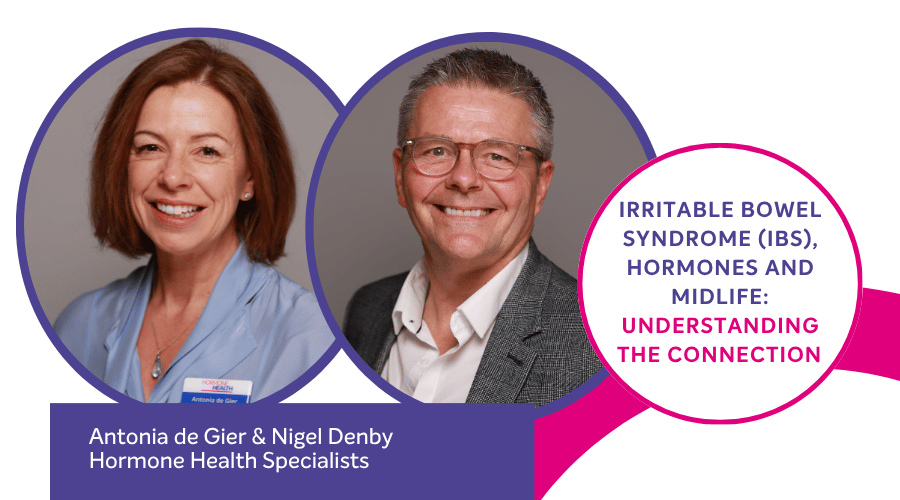
Our team includes experienced nutrition professionals, Nigel Denby, Registered Dietitian and Antonia de Gier, Registered Nutritional Therapist, who specialise in digestive and women’s health. They help patients navigate dietary changes safely while ensuring nutritional balance and long-term wellbeing.
Empowering Women Through Awareness
IBS Awareness Month is about more than information, it’s about empowerment. By increasing understanding of IBS and its connection to women’s health, we can help more women:
- Recognise their symptoms earlier
- Seek appropriate support
- Feel validated in their experiences
- Access care that looks at the whole person, not just the gut
Digestive health is a vital part of overall wellbeing, and no one should feel they have to manage ongoing symptoms alone.
For more information about IBS, the charity Guts UK, provides accredited IBS information, raising vital awareness for IBS and much more.
How We Can Help
If you are experiencing symptoms of IBS, our specialist team is here to support you with a personalised, evidence-based approach to care.
Free Nutritional Health Discovery Call
Nigel Denby, Registered Dietitian and Antonia de Gier, Registered Nutritional Therapist, work closely with all our Hormone Health Specialists to provide this complimentary assistance alongside any medical and HRT support. Whether you’re at the start of your journey or looking for more tailored support, this is a simple, supportive first step towards better digestive health.
Arrange a complimentary 15-minute nutritional health discovery call to find out how we can help you before committing to a full consultation. The call can be either over the telephone or virtually.
This April, we stand with everyone affected by IBS. By raising awareness and improving support, we can take meaningful steps toward better digestive health for women at every stage of life.