Menopause: Key Questions to Ask Your GP for the Right Support
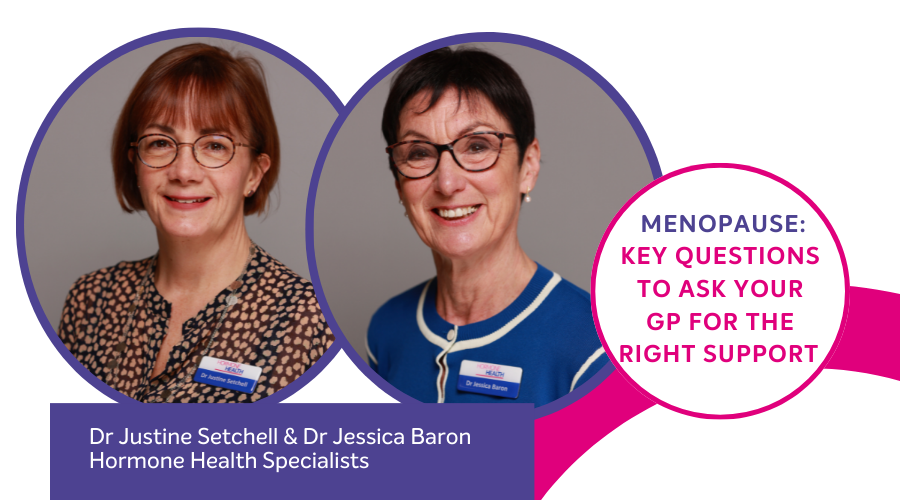
With expert advice from Dr Jessica Baron and Dr Justine Setchell.
Navigating menopause can feel overwhelming, like you’re walking through a maze with no map. With so much conflicting advice, long wait times for appointments, and symptoms that can leave you feeling out of control, it’s easy to feel like you’re not getting the support you need. But the truth is, getting the right care is possible, it just takes a bit of preparation, asking the right questions, and being your own advocate.
Dr Jessica Baron and Dr Justine Setchell, are GPs and hormone health specialists. In this article they share some amazing tips on how to make sure you get the right menopause support from your GP.
It all comes down to asking the right questions, being prepared, and not being afraid to advocate for yourself. So, if you’re heading to your GP to discuss menopause, here’s what you need to know.
Step 1: Make Sure You’re Seeing the Right GP
First things first: getting the right appointment is key.
Dr Baron and Dr Setchell stress that not all GPs are equally equipped to deal with menopause. When booking, ask your practice who has an interest in hormones, women’s health, or menopause. Even if it means waiting a bit longer to see the right person, it’s worth it.
Don’t be afraid to see a trainee GP, either. They often have more up-to-date training and can spend longer with you, which can make a big difference when you’re trying to get the answers you need.
And while we’re on the subject, ask your friends or family who they’ve seen, and, even more importantly, what treatments they’re using. You’d ask them about skincare or makeup – so why not ask about their hormones?
Step 2: Do Some Research – But Don’t Get Overwhelmed
You don’t have to be an expert, but coming in armed with accurate information will make the whole process smoother.
Here are a few trusted sources Dr Setchell and Dr Baron recommend:
- The British Menopause Society (BMS) – The go-to place for evidence-based info.
- Women’s Health Concern – A patient-friendly resource with great leaflets and guides.
- Menopause Matters – Another reliable source, created by the current chair of the BMS.
- Hormone Health – The private practice where Dr Setchell and Dr Baron work; they share helpful newsletters and social media tips.
As we all know social media has lots of menopause information, but it can be a minefield. Stick with sources that are qualified or come highly recommended by people you trust.
Step 3: Menopause Isn’t Just About HRT
One thing Dr Setchell really wants to stress is that HRT is not the only solution to managing menopause.
While HRT can definitely help, it works best when combined with lifestyle changes:
- Managing stress
- Eating well
- Exercising regularly
- Getting good sleep
- Staying socially active and connected
So, it’s not just about slapping on a patch or popping a pill – it’s about a holistic approach to feeling better.
Step 4: Be Prepared for Your GP Appointment
We’ve all been there: you get into the appointment and suddenly forget half of what you wanted to say. To avoid that, Dr Baron and Dr Setchell recommend coming fully prepared.
Here’s how:
- Health check: If your surgery offers it, take advantage of things like blood pressure checks and weight measurements.
- Symptoms list: Write down everything you’re feeling. Can’t remember everything? Use online symptom checkers from places like Menopause Support or Hormone Health Symptom Diary, to jog your memory.
- Medical history: Bring a list of your own medical conditions, family medical history, and any other details that might be important (e.g. a family history of breast cancer).
- Current medications: Bring a list of everything you’re on, including supplements. It helps to take a picture of the labels or bring the boxes with you.
- Recent tests: If you’ve had any blood tests, scans, or other health checks done recently, bring those results along as well.
You don’t need to have every symptom in the book to get help. Your GP can help you figure out what’s menopause-related and what might be something else.
Step 5: Key Questions to Ask Your GP
Once you’re in your appointment, here’s what you’ll want to ask to make sure you’re getting the best care:
1. What treatment options do I have?
It’s not just about HRT. Ask about:
- Non-hormonal options like lifestyle changes and plant-based treatments
- Cognitive Behavioural Therapy (CBT), which can be a great adjunct to other treatments
- Vaginal oestrogen, especially if you’re dealing with dryness or discomfort
Dr Baron wants to remind you that “A healthy, comfortable vagina is important at any age!”
2. How safe is HRT for me?
HRT today is safe for most women and is based on body-identical hormones like oestradiol and progesterone. But it’s not one-size-fits-all, so your GP will assess your individual risk.
A fun fact from Dr Setchell: “A whole year of vaginal oestrogen delivers the same oestrogen dose as one oral tablet. That’s how safe it is!”
3. How do I use HRT properly?
HRT can come in many forms: tablets, patches, gels, or sprays.
Ask your GP:
- How to use what you’ve been prescribed
- How often and in what form
- If it doesn’t work for you, you can always switch after 3 months.
Dr Baron and Dr Setchell also suggest trying your HRT for 3 months before deciding whether to stick with it. If it doesn’t feel right, ask your GP for a change.
4. What about testosterone?
Testosterone can help with low libido for some women (just under half of women using it find it helpful), but it’s not a miracle cure. It’s often prescribed after you’ve got your oestrogen levels balanced.
It’s licensed for low libido, but some GPs are sometimes hesitant to prescribe it because it’s off-license. If you feel it might help, find a GP who understands it.
5. What’s next?
After your first prescription, it’s usual to have a 3-month review to check how things are going. After that, your treatment can go onto repeat prescriptions to make life easier.
And don’t forget about your local pharmacist. They’re often great at helping manage side effects or making adjustments to your treatment.
Good News for HRT Users: Prescription Prepayment
Good news: HRT prescription costs are about to get more affordable with the HRT Prescription Prepayment Certificate. For £19.80, you can cover all your HRT prescriptions for the year, saving money in the long run. It’s available to set up online or through participating pharmacies.
Final Takeaway: Persistence is Key
Yes, getting an appointment with your GP can sometimes feel like a hassle, but don’t give up. The right support is out there, and you deserve to feel heard and cared for.
As Dr Setchell and Dr Baron recommend,
“Be prepared, ask the right questions, and stay persistent. Menopause care is all about personalised support that includes both medical treatments and lifestyle adjustments.”
“Your journey to feeling better starts with you. And with the right support, you don’t have to do it alone”.
How can we help?
Menopause is not something you should have to navigate alone. With the right information, the right questions, and the right support, it’s possible to feel informed, confident, and in control of your hormonal health.
If you’re struggling with menopausal symptoms or want expert guidance, Dr Setchell, Dr Baron and the Hormone Health team offer personalised consultations to help you find an approach that works for you.
Get in touch today to book a consultation – we’re here to advise, support, and help you feel your best.